

Unlocking Hip Pain: Your Guide to Hip Osteoarthritis (OA) Relief
Stiff hips in the morning? A deep ache in your groin or buttock after sitting through a long meeting or car ride? These symptoms may be associated with hip osteoarthritis (OA), a condition that can make everyday movement more challenging.
At Performance Sport & Spine, we help patients understand their hip pain and develop individualized plans to improve mobility, build strength, and return to the activities they enjoy.
What Does Hip Osteoarthritis Feel Like?
Hip OA becomes more common with age but can also affect younger adults, particularly those with previous hip injuries or structural conditions such as hip dysplasia. [3]
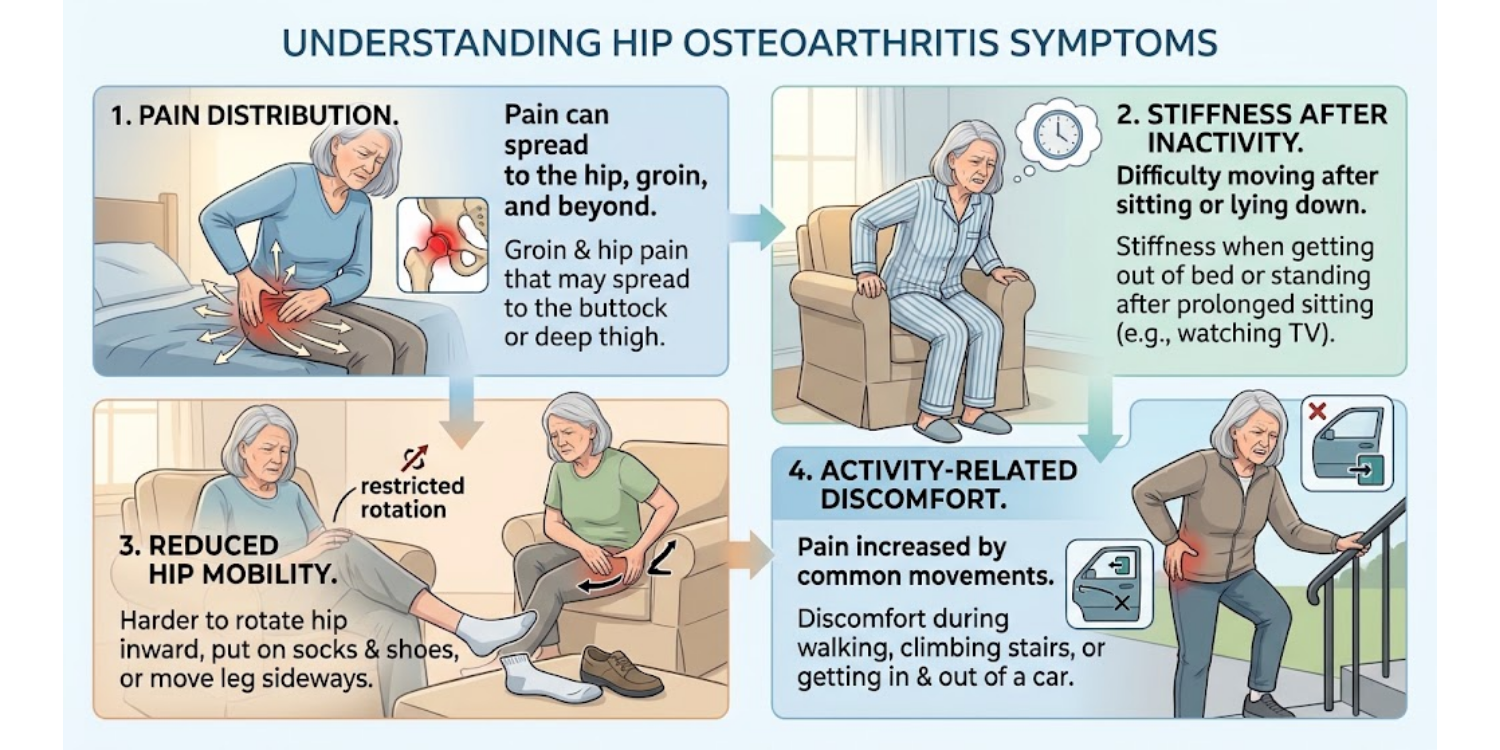
Common symptoms include:
- Hip or groin pain that may spread to the buttock or thigh.
- Stiffness after inactivity, particularly when getting out of bed or standing after prolonged sitting.
- Reduced mobility, making it harder to rotate the hip, put on socks and shoes, or move the leg sideways.
- Activity-related discomfort during walking, climbing stairs, or getting in and out of a car. [1,3]
Morning stiffness in typical OA often lasts 30 minutes or less, but symptoms alone cannot confirm a diagnosis. Tendon problems and lower-back conditions can cause similar pain.
 How Is Hip OA Diagnosed?
A healthcare professional will assess your symptoms, medical history, and hip movement. Reduced hip rotation and discomfort during movement may support a diagnosis. When imaging is indicated, X-rays can reveal joint-space narrowing and bone spurs. However, imaging findings do not always reflect symptom severity, and X-rays are not routinely necessary for every typical presentation. [1,3]
Seek an assessment if hip pain persists, stiffness worsens, or everyday activities become increasingly difficult.
What Helps Relieve Hip OA?
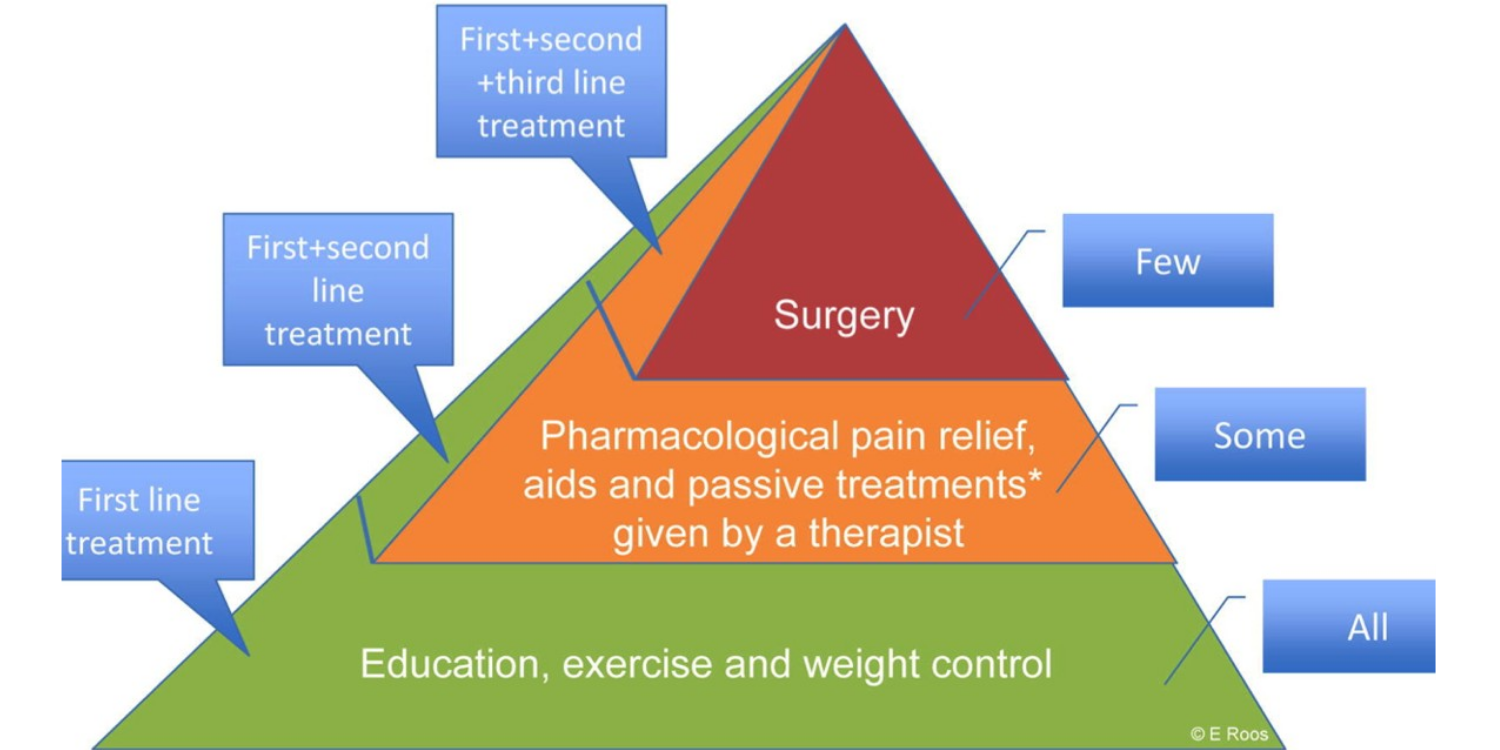
Education, tailored exercise, and individualized care are the foundation of treatment. Exercise can improve pain and physical function, although average benefits may be modest and vary between individuals. [1,2,4]
 Strengthening exercises
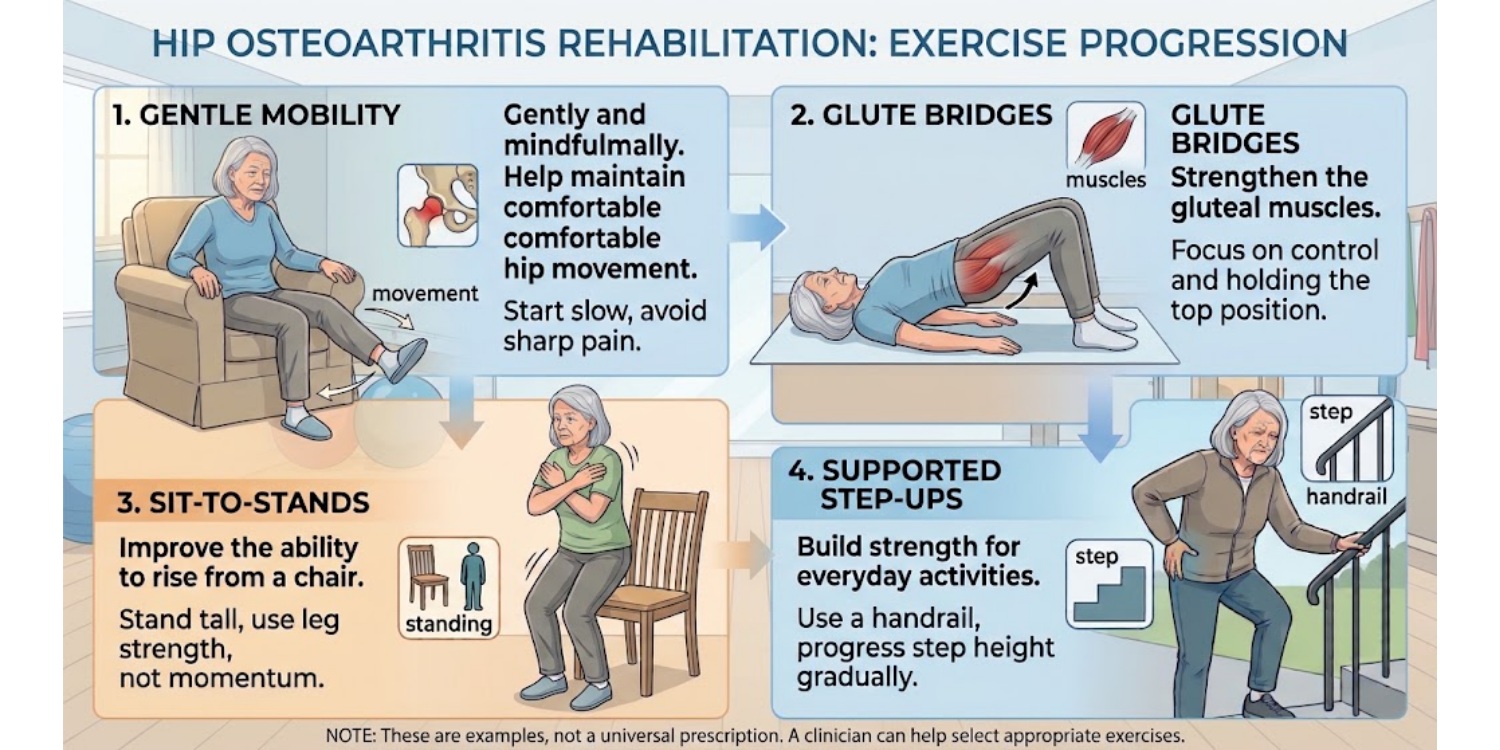
Depending on your symptoms and abilities, a rehabilitation program may include:
- Glute bridges: Strengthen the gluteal muscles.
- Supported step-ups: Build strength for everyday activities.
- Sit-to-stands: Improve the ability to rise from a chair.
- Gentle mobility exercises: Help maintain comfortable hip movement.
These are examples, not a universal prescription. A clinician can help select appropriate exercises and progress them safely. [3,4]
 Should you stretch an arthritic hip?
Gentle, controlled movement can help maintain mobility. Avoid forcing the hip into sharp pain or repeatedly pushing beyond a comfortable range.
If an exercise causes a sustained increase in pain or makes walking more difficult afterward, reduce its intensity, range, or volume. Seek professional guidance if symptoms persist.
Is weight loss necessary?
No. Weight loss is not a requirement for everyone with hip OA. For people living with overweight or obesity, individualized weight-management support may help improve pain and physical function. Exercise and education remain important at every body weight. [1,4]
When Is Further Treatment Needed?
Many people manage hip OA with nonsurgical care, although additional pain-management options may be appropriate depending on individual needs. [1,3]
If pain and functional limitations substantially affect quality of life despite appropriate nonsurgical treatment, a joint-replacement assessment may be reasonable. Decisions should reflect symptoms, daily function, personal preferences, and informed discussion—not X-ray findings alone. [1,3]
Important: Seek urgent medical assessment for sudden severe hip pain, inability to bear weight after an injury, or a hot, swollen hip accompanied by fever.
Take the Next Step Toward Better Hip Mobility
Hip OA does not automatically mean giving up the activities you enjoy. An individualized rehabilitation plan can help improve strength, mobility, and confidence with movement. [3,4]
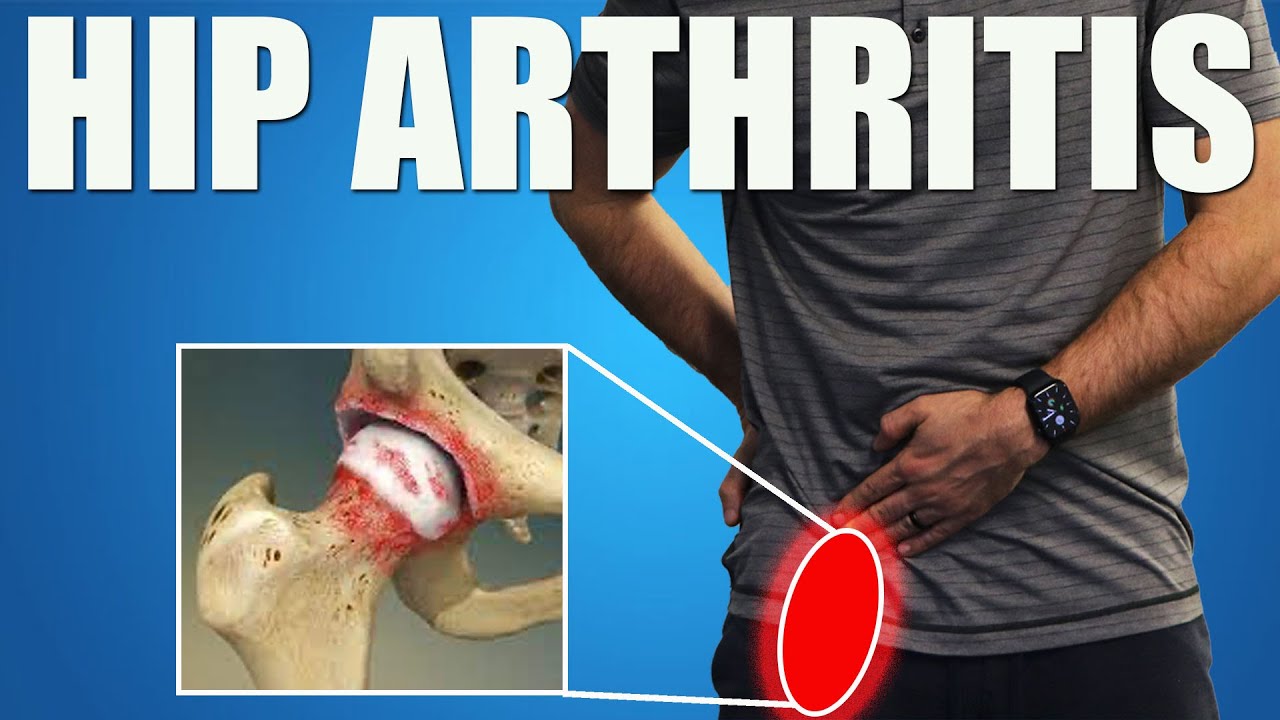
Watch Dr. Zach Greenwade’s rehabilitation video to learn more about exercise options and practical strategies for managing hip pain.
If symptoms persist or interfere with daily life, schedule an assessment with a qualified healthcare professional to identify the likely cause and discuss appropriate treatment.
Educational disclaimer: This article provides general health information and is not a substitute for individualized medical assessment or treatment.
References
[1] NICE. Osteoarthritis in over 16s: diagnosis and management. Guideline NG226, 2022.
https://www.nice.org.uk/guidance/NG226/chapter/recommendations
[2] Cochrane. Exercise for osteoarthritis of the hip. Systematic review.
https://doi.org/10.1002/14651858.CD007912.pub3
[3] American Academy of Orthopaedic Surgeons (AAOS). Management of Osteoarthritis of the Hip: Evidence-Based Clinical Practice Guideline, 2023.
https://www.aaos.org/quality/quality-programs/osteoarthritis-of-the-hip/
[4] EULAR. Recommendations for the non-pharmacological core management of hip and knee osteoarthritis: 2023 update. Published 2024.
https://doi.org/10.1136/ard-2023-225041


